Empowering women starts with education and health for young girls
Empowering young girls is key to achieving gender equality.
In many parts of the world, young girls are being marginalized for their gender, and this disproportionately impacts. They are excluded from activities and are not given the same opportunities, making them more vulnerable to poverty and crisis. The COVID-19 pandemic has further exacerbated the social and economic status of women and girls globally.
In 2015 the Sustainable Development Agenda set a 2030 deadline for the achievement of gender equality and the empowerment of all women and girls. Now, with under 10 years left to meet it, the world is not on track.
The United Nations’ 17 Sustainable Development Goals were conceptualized to encourage a flourishing and harmonious world for future generations. As development should balance social, economic and environmental sustainability, improvement in one operation will benefit the outcome in others. Sustainable development goal #5: gender equality is recognized as an essential foundation for a sustainable planet.
Better Life forGirls
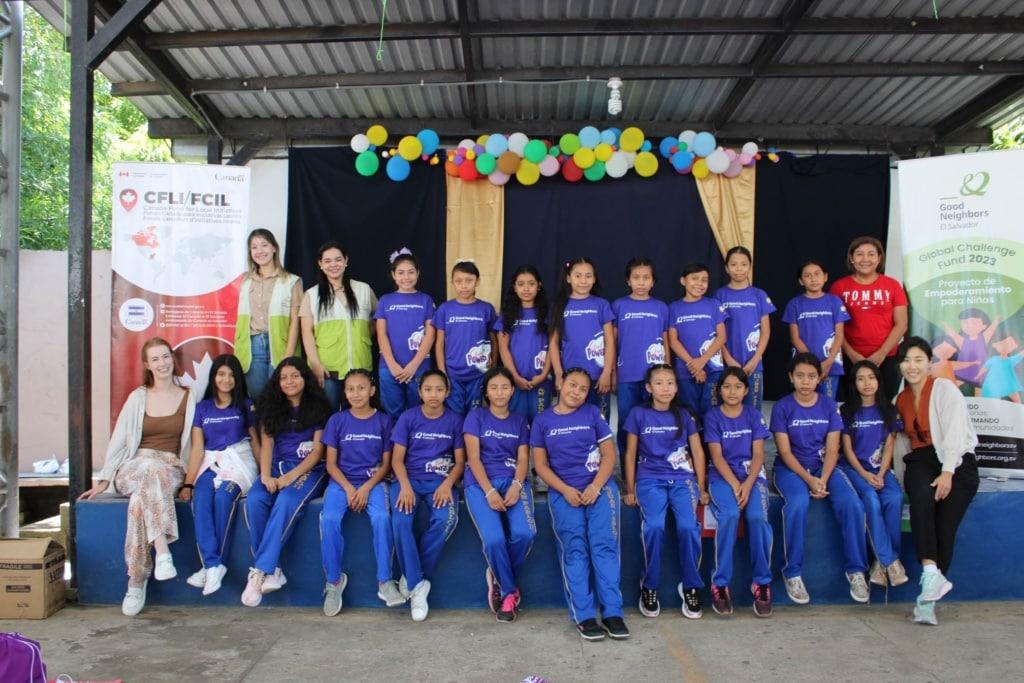
Safe Spaces
Provide spaces for girls to grow and have their voices be heard
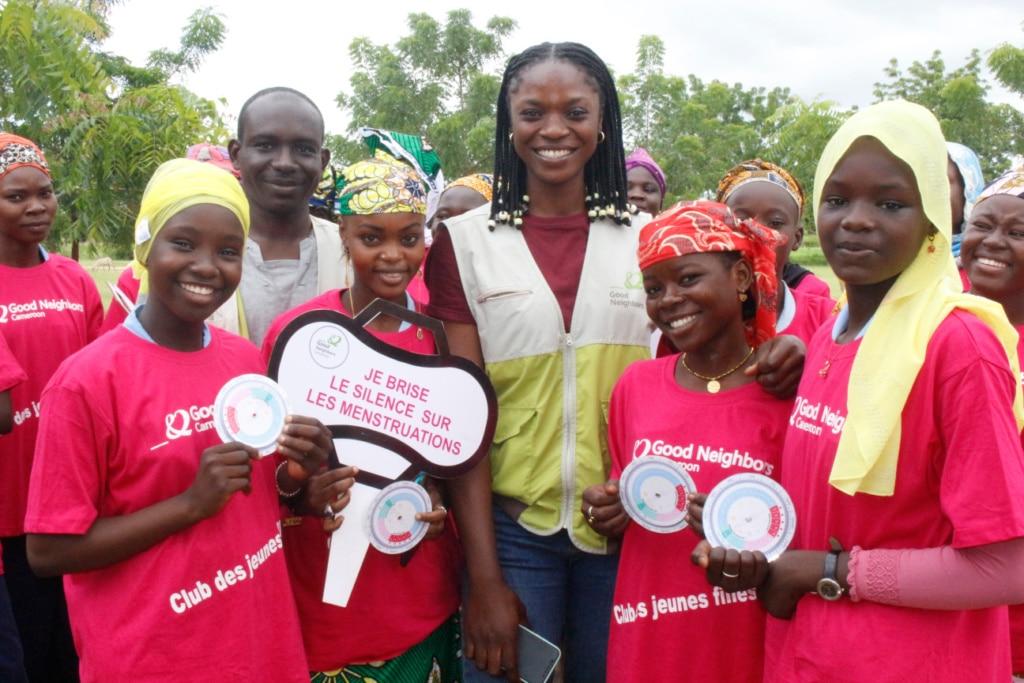
Menstrual Education
Open conversations on menstrual health and encourage hygiene
Skills Training
Bridge the gender gap through essential skills training and workshops
Good Neighbours Canada is taking significant steps to support women and girls internationally to achieve agency and reach their full potential, despite various social and economic barriers. Our projectsgive women and girls the necessary tools and networks for a better, more sustainable future.
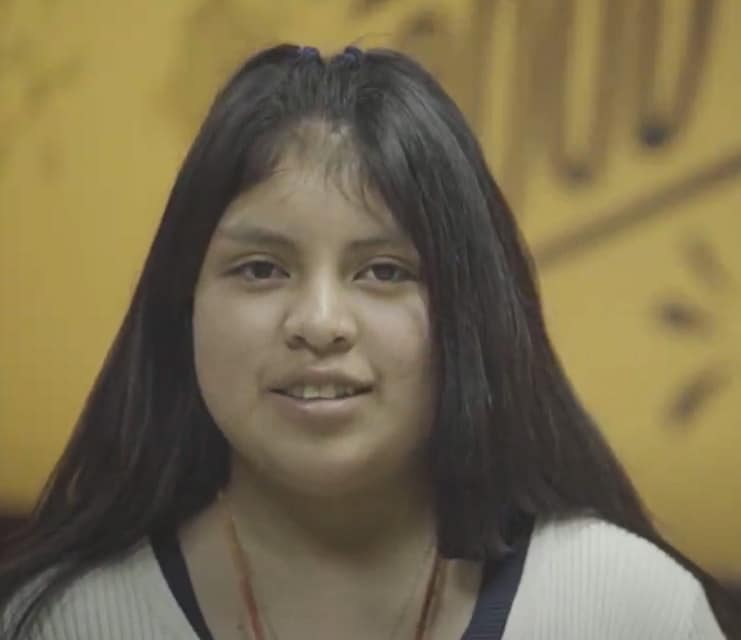
Astrid
a 14-year old girl from Guatemala in the Better Life for Girls program
I can say I have loved them [girls’ clubs]. It's a space where I can be myself, meet many people, relax, interact with others; I find a part of myself there.
It's important because it helps one's future, helps us develop as individuals in society, which is very hard to find in these times. Now, with education, we can establish a reputation within society and also contribute to its improvement.
Menstrual Health and Hygiene
Lack of education and training are keeping women around the world in poverty.
With your help, Good Neighbours will be able to provide the girls and young women participating in this program with safe spaces for sharing and learning.
119 million girls around the world are out of school
El Salvador
of El Salvador’s working population are women aged 16 years old and above
10%
of rural women in El Salvador rural women are multidimensional poor.
10%
Cameroon
girls in Cameroon have never heard about menstruation before their first period.
0 in 5
children in Cameroon require humanitarian aid and intervention
0M
Support Girls, Support Communities
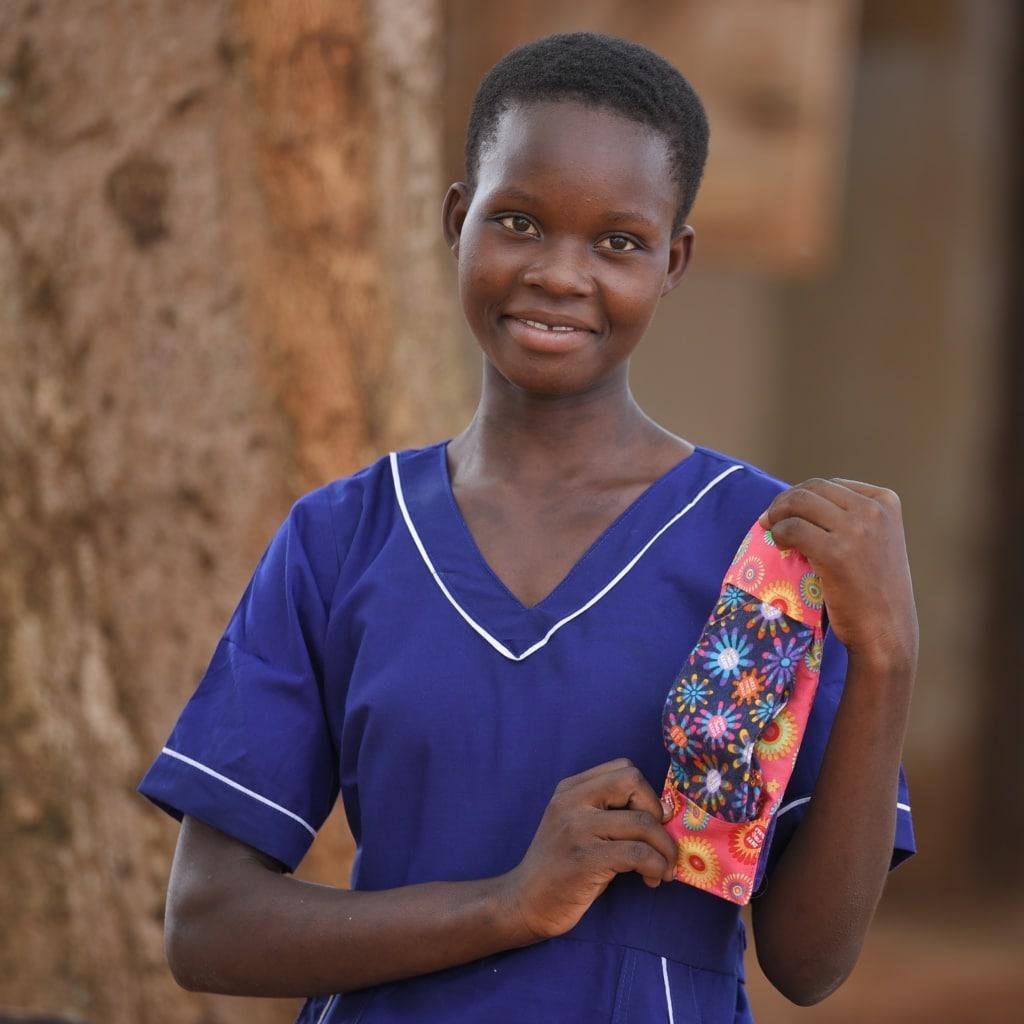
Before, we used wrappers which we cut into small pieces during our periods to absorb blood. Good Neighbours trained us on good menstrual hygiene practices. I am very happy and will not keep what I have learnt to myself. I will share my knowledge with other people in my village
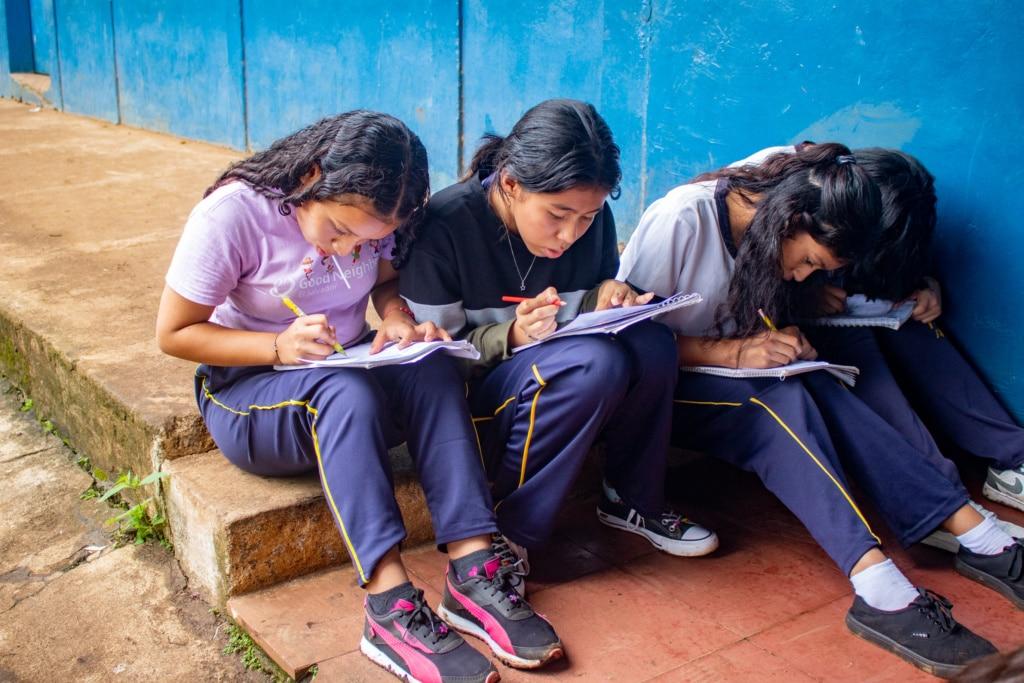
I have noticed that the girls who take these courses participate more in class. They feel less shy about speaking among themselves and with their peers they do participate more. They also say they have learned and expanded their vocabulary.
Mothers and Daughters in the Better Life for Girls Program
When you support Better Life for Girls projects, you support gender equality for women in developing nations.